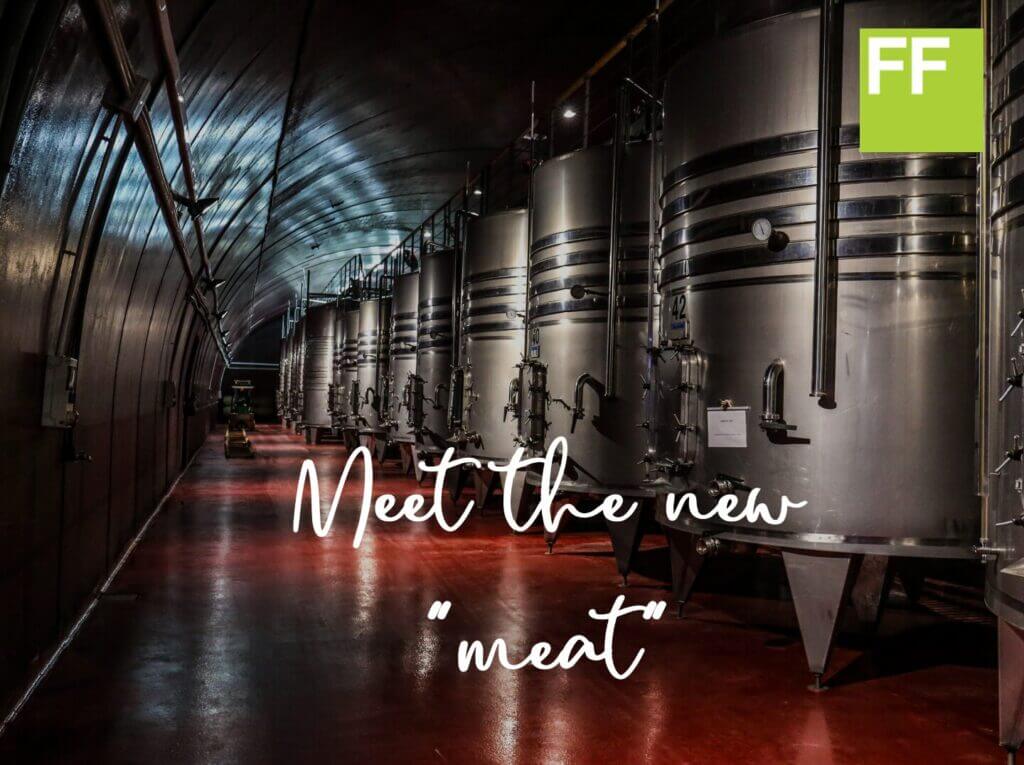
The range of vegetarian products in the supermarket is ever growing. But the future of food is not only plant-based. Microorganisms such as yeast, fungi and bacteria offer exciting new opportunities to create sustainable alternatives to animal-derived products.
Yet mentioning bacteria, yeast or fungi in the same sentence as food still raises eyebrows. Because many consumers are unaware that these microorganisms have been used for centuries to produce everyday foods such as bread, cheese, yoghurt, salami, chocolate, coffee and tea.
How do you prevent people from viewing this new generation of meat substitutes with suspicion, and are they willing to try it when they see the benefits? Because no matter how groundbreaking a food innovation may be, its success ultimately depends on consumer acceptance.
Together with our inventors, we explored these questions in a co-creation session. They challenged assumptions, asked critical questions and identified the key do’s and don’ts for introducing these products to the market. By the end of the session, many participants had become genuinely convinced that microbial proteins can become a valuable addition to the range of meat alternatives, demonstrating that the right dialogue, information and engagement can make all the difference.